National Covers Official Site
  Google Top Quality Store
.png)

A sunny day on the water sounds perfect, until you’re squinting, sweating, and wishing you’d packed more sunscreen.
If you own a pontoon, you already know shade isn’t a luxury. It’s a necessity. And that’s where the right pontoon bimini top makes all the difference.
But here’s the thing: not all bimini boat tops are created equal. Some flap in the wind. Some fade after a season. Others fit, almost. "Close" doesn’t cut it when you’re cruising at 25 mph.
So how do you choose the best bimini top for pontoon boat ownership without wasting money or time? Let’s break it down.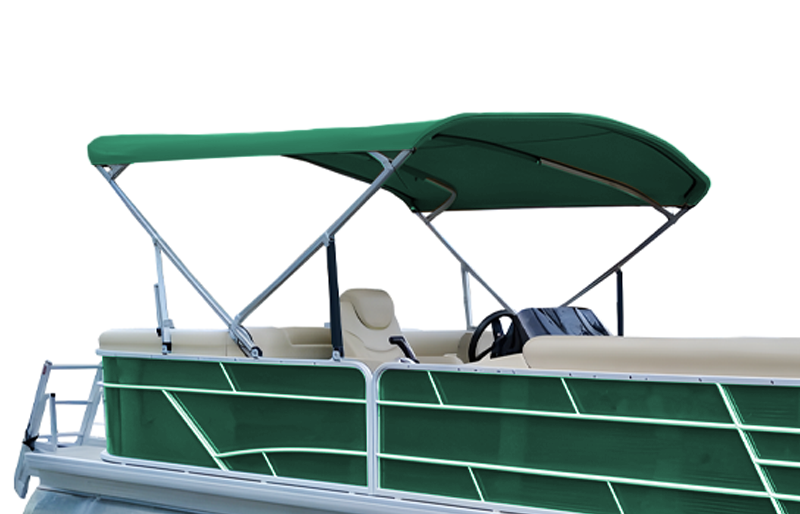
Why a Pontoon Bimini Top Matters More Than You Think
A pontoon boat is built for relaxing. Lounging. Entertaining. Fishing. Maybe all three in one afternoon.
Without proper shade, though, that comfort disappears fast.
A quality pontoon bimini top does more than block sunlight:
- Protects passengers from UV exposure
- Keeps seats and upholstery from cracking or fading
- Reduces glare while you drive
- Adds resale value
- Creates a cooler, comfier space
It’s not just an accessory; it’s part of your boat’s basic setup.
And if you spend long summer days on the water, you’ll quickly notice the difference between functional shade and useless fabric.
Step 1: Measurements Matter, Don’t Skip This
Here’s where most buyers slip up: they guess.
Don’t.
Your pontoon bimini top needs three precise measurements: width, length, and height.
- Width: Measure the distance between the mounting points, not just the deck width.
- Length: This decides how much shade coverage you’ll get.
- Height: From the mounting point up to where you want the canopy to sit.
Too narrow? It won’t mount properly.
Too wide? It won’t tension correctly.
Too short? You’ll still roast in the sun.
If you’re between sizes, follow the manufacturer’s guidance instead of assuming “close enough” will work. A correctly fitted boat bimini top should feel solid, not stretched, sagging, or unstable.
Step 2: Choose the Right Frame Material
Not all frames are built the same. And on water, material matters.
- Aluminum frames are lightweight, affordable, and rust-resistant. They’re the everyday choice for most pontoon owners because they balance strength with weight.
- Stainless steel frames cost more, weigh more, and offer superior strength. If you often cruise at higher speeds or boat in rough conditions, stainless can be worth it.
Here’s the truth: if you just float around for fun, aluminum does the job. If you want durability and rugged performance? Stainless wins.
Step 3: Decide What Fabric Works Best
Fabric isn’t just about color. It’s about performance. You want material designed for life on the water, UV resistance, mold and mildew resistance, and breathability. Cheap fabric might look fine at first. But fast-forward a season or two, and you’ll see fading, cracking, and weakening.
Better quality canvas stands up to harsh sun, salty air, and frequent use. And yes, color choice matters too. Darker fabrics often block UV better, but lighter shades reflect heat and keep the shaded area cooler.
Think about where you boat, how often you’re out, and what kind of maintenance you’re willing to do. It’ll help you decide what fabric is right for you.
Step 4: Don’t Ignore Shade Coverage
Not all pontoon bimini tops give the same amount of shade.
Standard sizes include:
- 4 feet – basic shade
- 6 feet – common coverage
- 8 feet – extra protection
- 10+ feet – full deck shading
If your pontoon is mainly for seating and socializing, longer shade coverage makes life better. But if you like rear fishing space or want more open deck area, shorter might be a better fit.
Some owners even install two bimini boat tops for front and rear coverage. It’s not weird; it’s smart.
Step 5: Think About How You’ll Mount It
Most bimini tops for pontoon boats mount using deck hardware that attaches to side rails. Sounds simple, but a few questions make a big difference:
- Do you want quick-release hardware?
- Do you fold it down often?
- Do you trailer your boat regularly?
If your top is tough to collapse or secure, you’ll avoid using it, even on hot days. Quick-release pins and sturdy mounting braces keep things easy and secure.
And if you trailer often, make sure the mounting system is designed for frequent setup and breakdown. Weak hardware and heavy vibration do not get along.
Step 6: Check Wind and Speed Ratings
Some bimini boat tops are fine for slow cruising. Others can handle higher speeds.
Always check what the manufacturer says about wind and speed ratings. Ignoring these can lead to bent frames, popped brackets, or worse, watching your shade become a sail at high speed.
If you like cruising faster, go for thicker tubing, reinforced bows, and strong tension points.
Step 7: Storage and Folding Convenience
Here’s something most owners don’t think about until it’s too late: where does it go when it’s not deployed?
Some pontoon bimini tops fold neatly and stay secure against the railing. Others require covers or additional straps.
Look for features like
- A matching storage boot
- Secure rear support poles
- Easy tension adjustments
If it’s a pain to fold or feels flimsy when stowed, you’ll start leaving it down, and that defeats the whole purpose.
Step 8: Style, It Still Matters
Function first. But who said shade can’t look good?
Your pontoon bimini top should complement your boat’s design. A coordinated look makes your whole setup feel intentional and polished, not thrown together.
Popular shades include navy, black, burgundy, gray, and taupe. Darker tones hide dirt and stains. Lighter tones reflect heat. Pick what fits your vibe and your climate.
Common Mistakes Pontoon Owners Make
Even seasoned boaters fall into these traps:
- Choosing purely based on price
- Skipping exact measurements
- Failing to check fabric and UV ratings
- Overlooking hardware quality
- Forgetting about folding and storage convenience
The cheapest option almost always becomes the most expensive because replacing a bad canopy sucks and costs more.
How Long Should a Good Bimini Last?
With simple care, a good pontoon bimini top can last 5–10 years.
Rinse it after saltwater exposure, clean it with mild soap, avoid folding it when it’s wet, and cover it in storage. Little bits of care make a big difference.
Maintenance sprays designed for marine fabrics give them even more life.
Should You Go Custom?
Custom bimini boat tops cost more, no surprise there, but they deliver a perfect fit, premium fabric, and often better hardware. If you plan to keep your pontoon for years and want top-tier performance, custom can be worth it.
If you’re outfitting a summer cruiser and want value without overkill, a quality universal-fit model often works just fine. It’s all about how you use your boat.
Final Thoughts
Here’s the bottom line: The best pontoon bimini top isn’t the most expensive one; it’s the one that fits your boat properly, matches how you ride, and stands up to real conditions season after season.
Measure carefully. Prioritize quality materials. Think about shade coverage, hardware, and convenience.
Do that, and you’ll end up with a canopy that feels like part of the boat, not an afterthought. And honestly? That’s what pontoon life should feel like: easy, shaded, and fun. If you want tweaks for tone, length, or a specific audience (beginners vs. experienced boaters), just let me know!